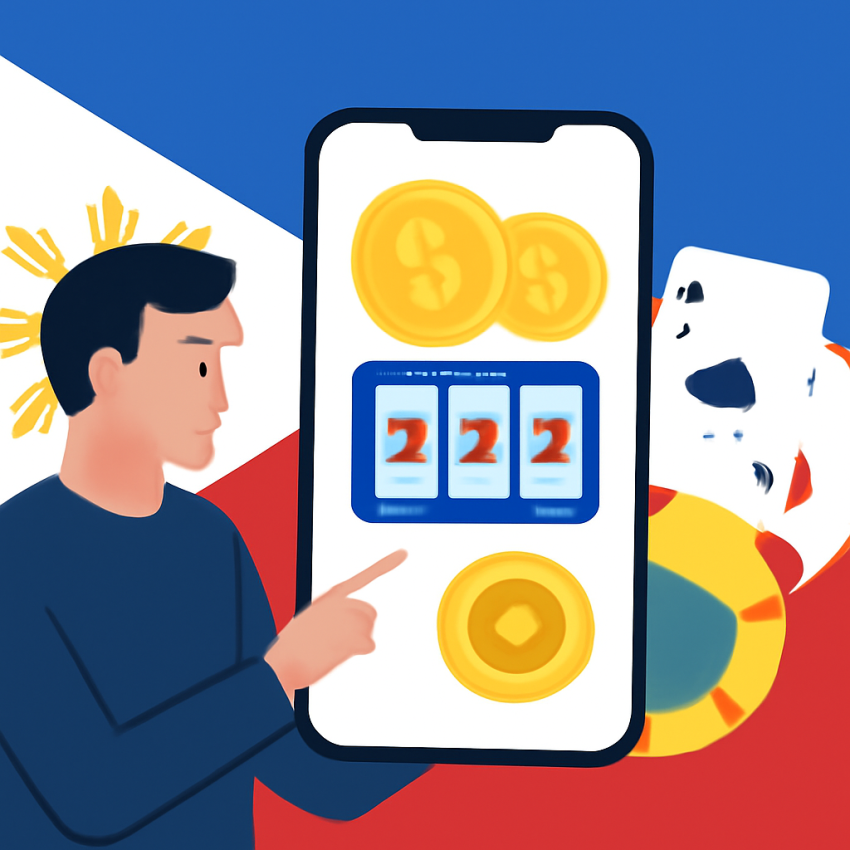
Why Crypto Casinos Are Gaining Traction in the Philippines
The Philippines has become a hotbed for digital betting activity, driven by a growing appetite for mobile gaming, widespread smartphone adoption, and a population that already uses digital payment solutions. Cryptocurrency offers a number of practical advantages for players and operators alike: faster deposits and withdrawals, lower transaction fees for cross-border transfers, and a degree of privacy that traditional banking rails don’t always provide. These factors combine to make crypto casinos philippines an attractive option for many Filipino players seeking convenience and new gaming experiences.
Another pull factor is the innovation in blockchain-based gaming mechanics. Provably fair systems let players verify the fairness of individual game outcomes, increasing trust in environments where regulatory oversight may vary. That transparency can be a major selling point in a market where reputation matters and word of mouth spreads quickly through social channels and local gaming communities.
Economic considerations also play a role. Many Filipino players use online gaming to supplement income or make micro-earnings from promotions and loyalty programs. Cryptocurrencies and stablecoins can reduce conversion costs and speed up cash flow, particularly for players sending value across borders or using non-bank payment methods. At the same time, volatility in crypto prices introduces risk; savvy players often use stablecoins or convert winnings quickly to avoid value erosion.
Operators are responding with tailored products: mobile-first platforms, local-language support, localized promotions, and integrations with popular crypto wallets. While the regulatory environment remains fluid and players should practice caution, the combination of technology, convenience, and market demand explains why interest in crypto casinos continues to grow across the Philippines.
How to Choose Safe and Compliant Crypto Casinos
Finding a trustworthy platform is essential. Start by vetting licensing and regulatory status: many reputable operators will display licensing details from recognized jurisdictions and third-party audit reports. While some platforms operate under offshore licenses, look for transparency about ownership, corporate structure, and public contact channels. Strong customer support and clearly stated terms of service reduce the risk of disputes and misunderstandings.
Security infrastructure matters. Choose casinos that use industry-standard encryption, cold storage for customer funds, and multi-signature wallets for custodial operations. For non-custodial or hybrid models, confirm how private keys are handled and whether the operator provides clear instructions for deposits and withdrawals. Platforms that publish security audits or partner with well-known security firms should be prioritized.
Assess fairness and game integrity. Platforms using provably fair mechanisms allow independent verification of game results; this is a significant advantage over opaque systems. Check whether the casino uses reputable game providers and whether payout rates and volatility are clearly disclosed. Responsible gaming features—deposit limits, self-exclusion, and age verification—are indicators that an operator takes player welfare seriously.
Finally, evaluate payment options and financial protections. Preference often goes to casinos that offer stablecoins or fiat on/off ramps through regulated exchanges, as these reduce exposure to crypto volatility and help streamline cashing out. Read community reviews, check dispute resolution histories, and opt for platforms with clear anti-money-laundering (AML) and Know Your Customer (KYC) procedures to reduce legal and financial risk.
Real-World Examples, Use Cases, and Local Context
Practical examples illustrate how the market functions. Many Filipino players prefer using USDT or other stablecoins to stake and play, avoiding the price swings that can make volatile cryptocurrencies impractical for everyday gaming. Operators that introduced stablecoin support often reported higher retention and faster cashout cycles because players found it simpler to manage winnings and move funds between platforms and local exchanges.
On the regulatory side, some operators choose to operate under offshore licenses or under Philippine-specific frameworks for online gaming. This regulatory diversity means players should be aware of the protections—or lack thereof—associated with each license type. Financial regulators in the Philippines monitor virtual currency exchanges and anti-money-laundering compliance, so responsible platforms typically maintain transparent KYC and AML procedures to avoid enforcement issues and protect players.
There are also localized business models: some platforms focus on remittance-friendly features that let overseas Filipino workers send winnings home cheaply, while others design micro-betting and social casino mechanics geared to mobile-first users who play in short sessions. Case studies from the region show that operators who integrate local payment channels, provide Filipino-language support, and run localized promotions gain traction faster than generic global sites.
For those researching options, resources that catalog and review regional platforms can be helpful. A comprehensive directory or review page labeled crypto casinos philippines can serve as a starting point to compare licensing, game selection, payment options, and community feedback before committing funds or personal information.

Istanbul-born, Berlin-based polyglot (Turkish, German, Japanese) with a background in aerospace engineering. Aysel writes with equal zeal about space tourism, slow fashion, and Anatolian cuisine. Off duty, she’s building a DIY telescope and crocheting plush black holes for friends’ kids.